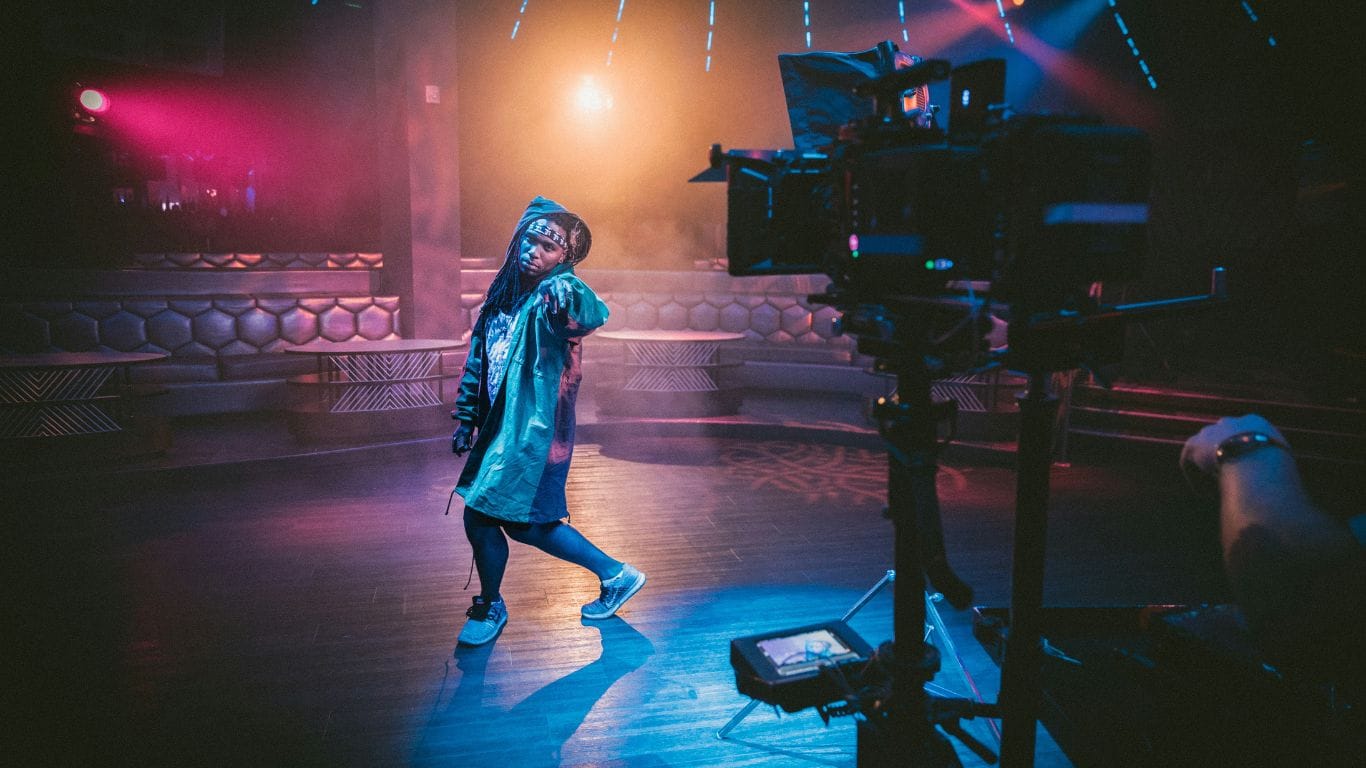
To elicit powerful performances, Acting Techniques are mandatory for directors. The process of Directing Actors is not an isolated process therefore it involves having a greater knowledge about human behavior as well as communication.
To bring out real and convincing performances, directors need to utilize a wide array of Acting Techniques that help build trust, guide exploration, and communicate positive feedback skills.
Table of Contents
Building Trust and Rapport
- Create a Safe Space: A supportive environment is crucial. Actors have to be comfortable to take risks, experiment and in the process possibly make mistakes.
- Active Listening: Listen attentively to the actors, their thoughts, their concerns and interpretations.
- Individualized Approach: Recognize that each actor is unique. Adapt the orientation to their needs, strengths, and weaknesses.
Clear and Concise Communication
- Know Your Vision: I have a clear idea of what story I want, characters, and what tone I want to achieve.
- Give Specific Instructions: Avoid vague directions like “Be more emotional.” Rather than that, keep the feedback tangible and actionable, e.g., when approaching that scene, you might consider approaching it from the perspective of fear instead of anger.
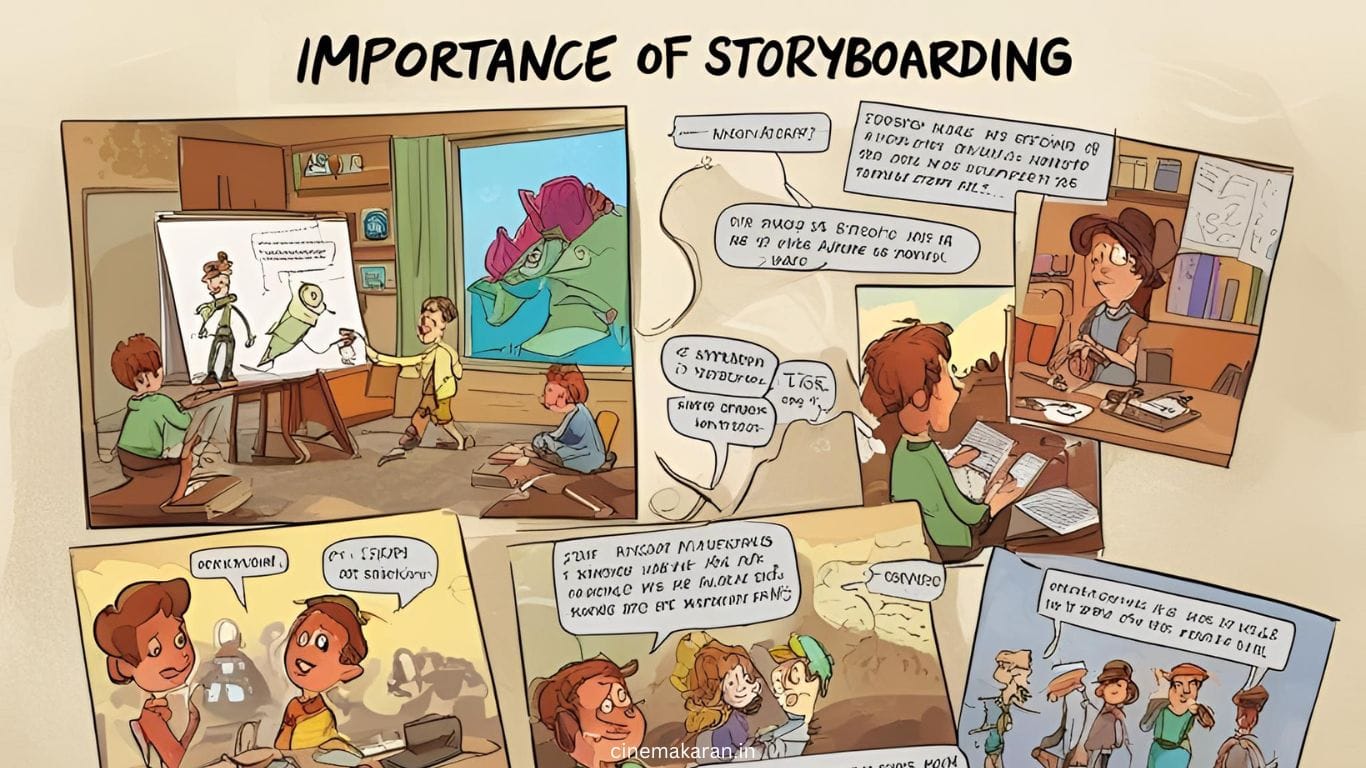
- Visual Aids: Try good old storyboards, some sketches, or even just plain simple props; this gives actors a chance to see what is to be done and how their characters may look regarding their bodies and physique.
Eliciting Emotional Truth
- Explore Acting Techniques like Method Acting: Ask the actors to learn more about their inner life and inner experience through a technique such as sense memory, emotional recalls, and improvisation.
- Focus on Character Subtext: Guide actors on knowing the motivations, desires (and fears) of their characters that involve them in doing what they do.
- Create Rehearsal Space: Give actors a free schedule for rehearsing so that they can get to know more about their characters and how they will perform them.
Providing Constructive Feedback
- Be Specific and Honest: Providing helpful and effective feedback should be clear, practical and should be presented with empathy.
- Focus on Strengths and Areas for Improvement: Spotlight what the actor is excelling at and give particular pointers on improvement.
- Be Patient and Encouraging: It is a discovery process in acting. Do not rush your actors and allow them to play around.
On-Set Collaboration
- Maintain a Positive Set Atmosphere: Do not neglect the bringing about of a supportive professional environment on set.
- Be Flexible and Adaptable: Be willing to change plans according to the performances of the actors and the direction that the shoot takes.
- Value Actor Input: Get your actors to collaborate and you should listen to their suggestions.
This work is not that simple, but it is interesting to direct actors. Through the implementation of these Acting Techniques, you will be able to lead your actors to authentic yet convincing performances to have your story heard and understood by the audience.